

It doesn’t include income from other revenue streams — for example, interest on cash savings. When studying financial ratios like gross margin percentage (gross margin/revenue) or gross margin (revenue minus cost of goods sold), revenue is crucial. This ratio is used to determine a company’s profit before deducting other costs and after subtracting the cost of the goods sold.
Strategies for forecasting revenue
Operating revenue reflects the core business activities that drive day-to-day operations. Here’s a free Excel template for you to calculate the total revenue. This spreadsheet lets you calculate total revenue and net income from your sales data. You can set up the quantity, unit price, markup, & shipping cost to analyze your monthly sales. It also generates some charts and graphs to help you understand how your Liability Accounts sales perform over the month.
- This excludes income generated by any other revenue stream which is not sales, like interest on cash in the bank.
- This is the amount of money you’ve given back to customers when they return goods they bought from you.
- Accounts payable is a liability that a company received goods or services on credit from vendors.
- Familiarize yourself with accounting standards like ASC 606 for proper revenue recognition.
- Net sales are gross sales minus returns, allowances, and discounts.
- A company may also distinguish revenue between tangible and intangible product lines.
Review products/services and pricing

Provide robust customer support via chatbots, human agents, or a combination of both. Based on customer feedback, you might also find that QuickBooks one sales rep in particular is struggling to understand customer needs, explain your products and offer effective solutions. You could then provide that rep with sales battle cards or ongoing training that help them engage customers proactively and sell more effectively.
- It also doesn’t include the cost of goods sold (how much you spent on materials or labor to create your products and services).
- This formula sums up the product of the unit price and the quantity sold for all items.
- If the customer uses cash to pay, they give a 3 percent discount.
- The terms total revenue and total sales can be used interchangeably to refer to the total amount of money earned by a business or organization through its sales activities.
- Revenue can also be divided into operating revenue—sales from a company’s core business—and non-operating revenue, which is derived from secondary sources.
- At the end of the year, the company’s annual sales were $900,000, indicating it fell short of its target by $100,000.
- This entails keeping an eye on your financial statements and computing financial metrics like total sales.
Historical forecasting
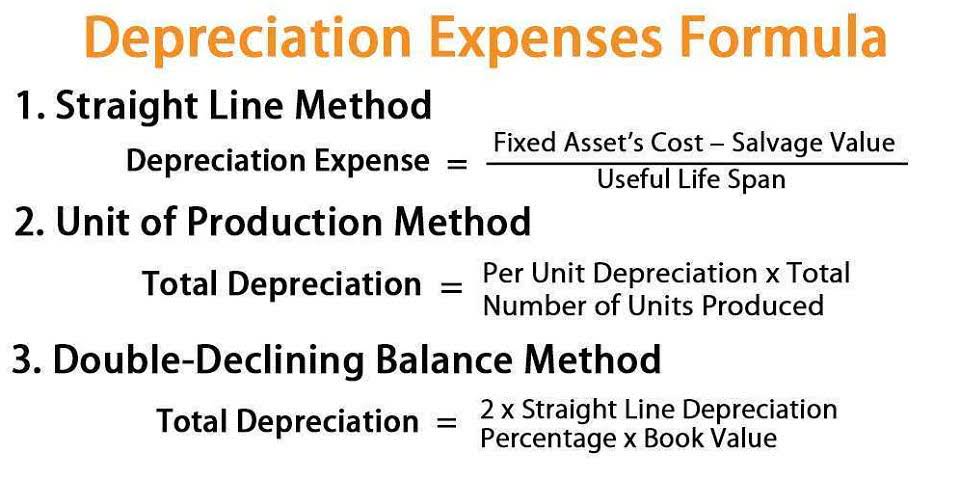
The formula to calculate sales revenue is the number of customers (sales) multiplied by the average price of services. Sales revenue is the income a business generates from the sale of goods or services. It’s recognized on the income statement for the month when the product is delivered or the service is fulfilled.
- Get the State of Sales Report to discover productivity insights from 7,700 sales professionals.
- For example, a retailer might suggest related products, or a software company could offer premium plans.
- The function for revenue in Excel is the PRODUCT function, which multiplies the number of items sold by their price per unit to calculate the total revenue.
- Most larger businesses use accrual (so revenue aligns with deliveries).
- It is the additional revenue that is generated from selling more units of a product or service.
- It tells a company clearly how much money it is bringing in from the sale of its product.
How do you decide on which Excel formula to use to find total revenue?
Let’s say you’re running a cold outreach campaign with 10,000 leads. Instead of sending the same email, you can apply segmentation strategies, helping you personalize at scale. Sales revenue lets you see which aspects of your business are performing well and those that aren’t. how to calculate sales revenue You can iterate on performing assets or scale down those struggling to perform. A local bakery growing 10% annually in a stable market is doing great. The frequency depends on your business pace and how quickly you need to make decisions.